












9/27
時点_ポイント最大2倍
Charles Mingus Trio
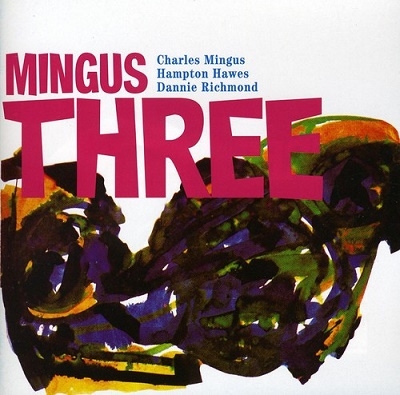
Charles Mingus Trio 「Mingus Three」 CD
販売価格
1,790
円 (税込)
- 出荷目安:
- 当日-翌日出荷
たまるdポイント(通常) 16
+キャンペーンポイント(期間・用途限定) 最大1倍
※たまるdポイントはポイント支払を除く商品代金(税抜)の1%です。
※表示倍率は各キャンペーンの適用条件を全て満たした場合の最大倍率です。
各キャンペーンの適用状況によっては、ポイントの進呈数・付与倍率が最大倍率より少なくなる場合がございます。
dカードでお支払ならポイント3倍
各キャンペーンの適用状況によっては、ポイントの進呈数・付与倍率が最大倍率より少なくなる場合がございます。
※クーポン適用後の費用は決済画面で確認できます
 マークは試聴できる楽曲です。


- 商品情報
- レビュー
【販売店・発送】 タワーレコード株式会社
商品の情報
| 発売日:2019年09月20日 / ジャンル:JAZZ / フォーマット:CD / 構成数:1 / 製造国:輸入 / レーベル:Poll Winners Records / SKU:8436028696550 / 規格品番:27260 |
商品の紹介
| Most often heard in large ensembles and rarely in a trio context, Charles Mingus joined forces with pianist Hampton Hawes for this 1957 studio date. It features four standards, two originals by the bassist, and a jam by the group credited to Hawes. While there's nothing particularly arresting or startling about the date, the relationship between the two ostensible co-leaders is a good case study in group dynamics when deference between two strong-willed individualists turns into a certain amount of compromise. Drummer Danny Richmond is not so much the peacemaker or even mediator, and he is the one with the most common sense who actually pulls this triad into a simpatico unit, cooling the embers with his steady, willful-in-its-own-right playing. As complex as the music of Mingus tends to be, it's nice to hear what he does in a more simplified area. His "Back Home Blues" is so basic as his bass leads out, while the Mingus chart "Dizzy Moods" is deeper within an easier swing, allowing darker colors to fully but slowly blossom. Richmond favors the tambourine on "Dizzy Moods" and the hip "A Night in Tunisia"-styled take of "Summertime," while a faster "Hamp's New Blues" bops along effortlessly, chided by the drummer's accents. Hawes shines in his gilded, rearranged concept of "Yesterdays," intentionally messing up the changes for the first few bars before settling in, while slowing the Vernon Duke evergreen "I Can't Get Started" (always a personal staple of the Mingus book) to a crawl. The most intriguing selection comes at the end, as "Laura" sounds derived from "Tea for Two," with the hardy upright of Mingus sallying forth about this imaginary woman made real through this poignant song. Some six years later, Mingus, Duke Ellington, and Max Roach would record the controversial trio effort Money Jungle, so in many ways this album is a prelude to that all-star combination, both one-shots and definitely sidebars to the careers of all of these brilliant jazzmen. ~ Michael G. Nastos |
| --- |
| Most often heard in large ensembles and rarely in a trio context, Charles Mingus joined forces with pianist Hampton Hawes for this 1957 studio date. It features four standards, two originals by the bassist, and a jam by the group credited to Hawes. While there's nothing particularly arresting or startling about the date, the relationship between the two ostensible co-leaders is a good case study in group dynamics when deference between two strong-willed individualists turns into a certain amount of compromise. Drummer Danny Richmond is not so much the peacemaker or even mediator, and he is the one with the most common sense who actually pulls this triad into a simpatico unit, cooling the embers with his steady, willful-in-its-own-right playing. As complex as the music of Mingus tends to be, it's nice to hear what he does in a more simplified area. His "Back Home Blues" is so basic as his bass leads out, while the Mingus chart "Dizzy Moods" is deeper within an easier swing, allowing darker colors to fully but slowly blossom. Richmond favors the tambourine on "Dizzy Moods" and the hip "A Night in Tunisia"-styled take of "Summertime," while a faster "Hamp's New Blues" bops along effortlessly, chided by the drummer's accents. Hawes shines in his gilded, rearranged concept of "Yesterdays," intentionally messing up the changes for the first few bars before settling in, while slowing the Vernon Duke evergreen "I Can't Get Started" (always a personal staple of the Mingus book) to a crawl. The most intriguing selection comes at the end, as "Laura" sounds derived from "Tea for Two," with the hardy upright of Mingus sallying forth about this imaginary woman made real through this poignant song. Some six years later, Mingus, Duke Ellington, and Max Roach would record the controversial trio effort Money Jungle, so in many ways this album is a prelude to that all-star combination, both one-shots and definitely sidebars to the careers of all of these brilliant jazzmen. ~ Michael G. Nastos| |
| Rovi |
収録内容
|
・構成数 | 1 ・合計収録時間 | 01:17:47 1.CD
|